How Doorstop makes change

Change made by students

We meet students in person at their schools and online where they already are, give them a playbook for the problem in front of them, and help until it is fixed.

How change works

Two problems, two playbooks

We provide step-by-step guides, survey templates, power mapping, and mentorship for two issues: school policies and school culture.

Changing a policy

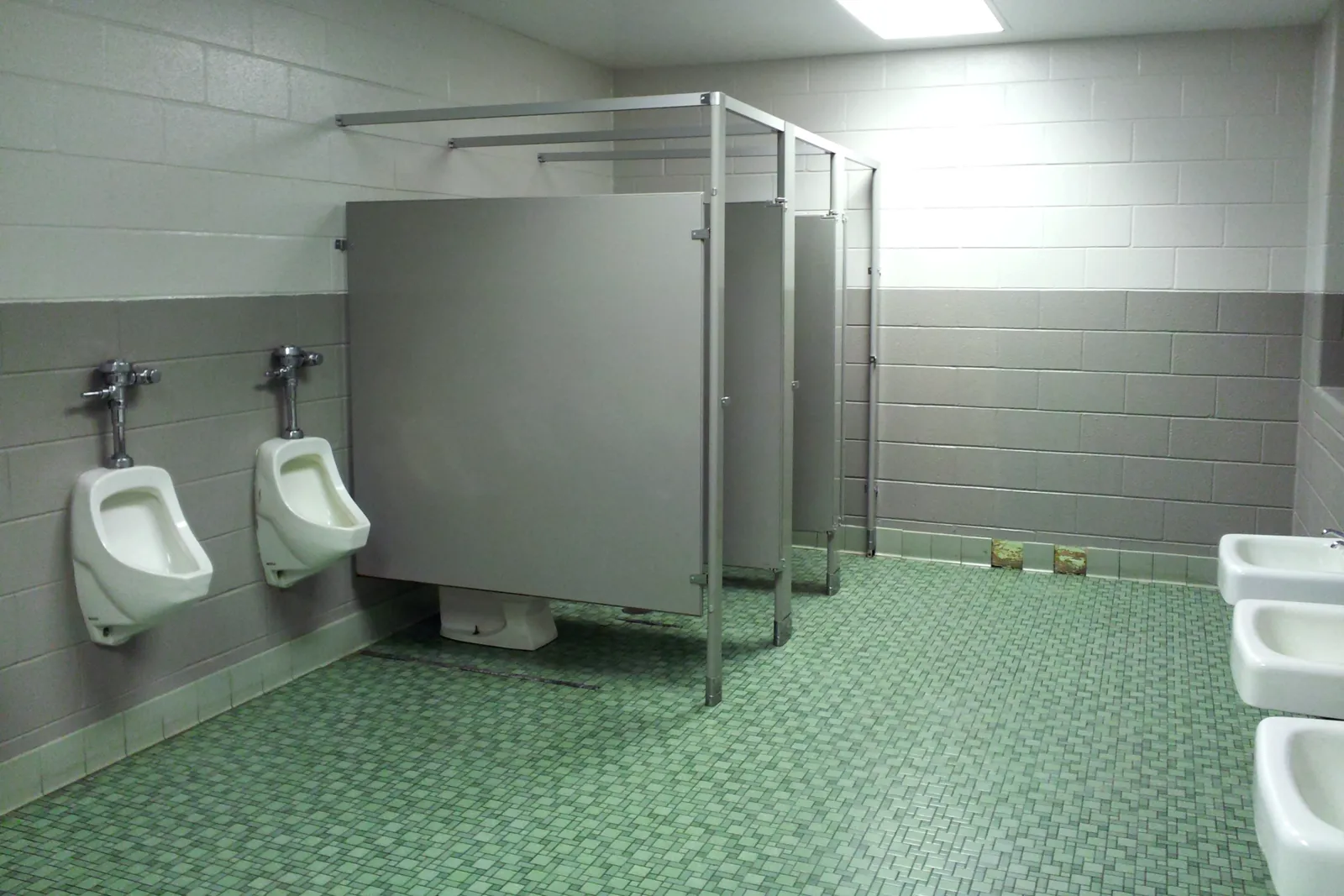
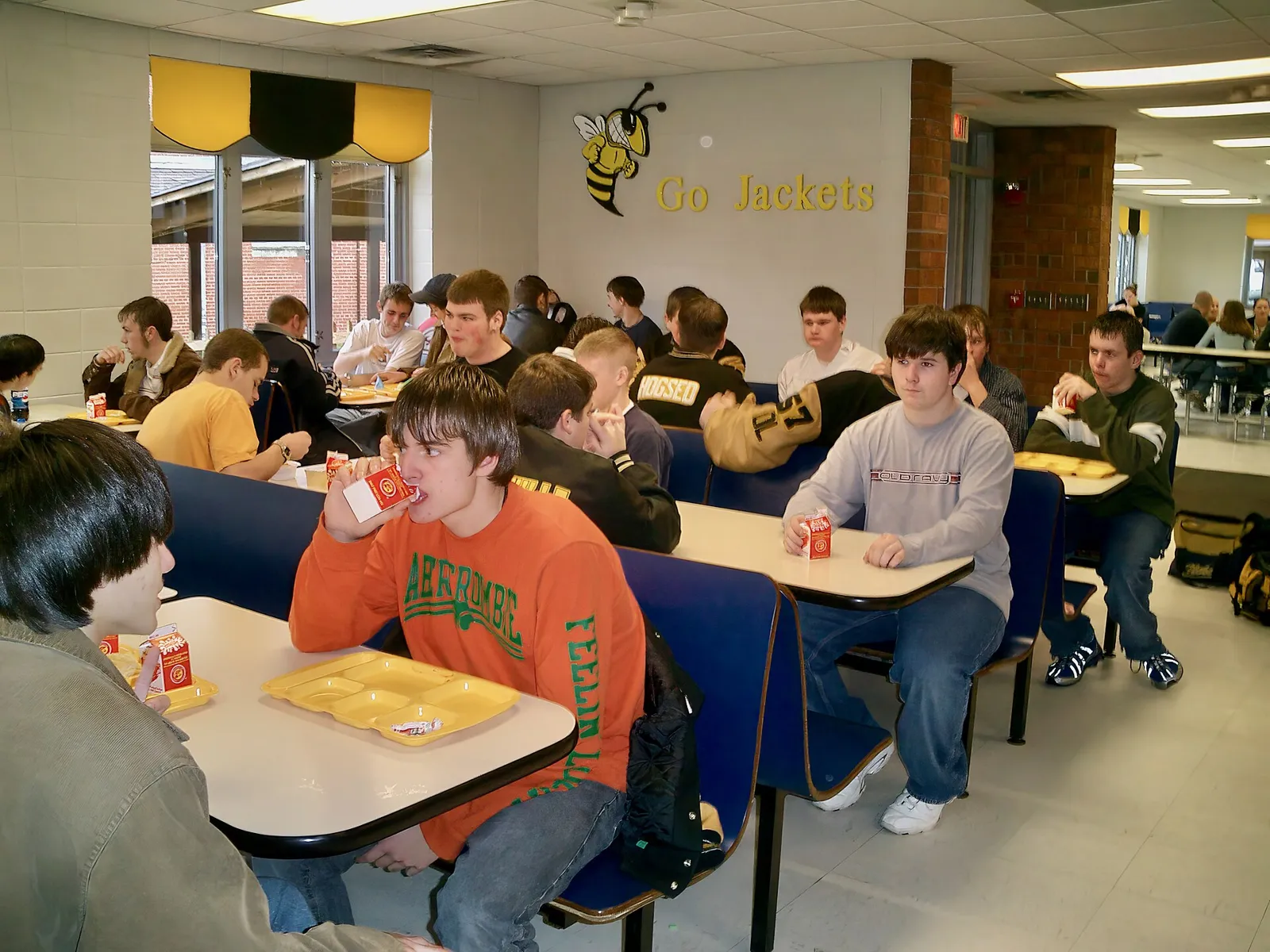
Examples: Phone rules, gross lunch, no mental health support

  1. Gather evidence

    Surveys, photos, counts, and the rule as written. Numbers beat complaints.

  2. Build consensus

    Line up allies before you ask: teachers, student council, parents, a board member. Hear objections early.

  3. Make the pitch

    One specific ask, to the person who can say yes: an email, a meeting, then public comment.
Changing a culture

Examples: Vaping, fights, toxic competition

  1. Name your referents

    Some students have outsized influence on how their friends act. Ask around: who do people here listen to? Aim for one per friend group.

  2. Pick one change

    Something publicly visible, and the same for everyone. Like: stop asking people what they got on a test.

  3. Ask them to help

    Explain the idea and ask for the one thing. When they change their behavior, so does everyone else.

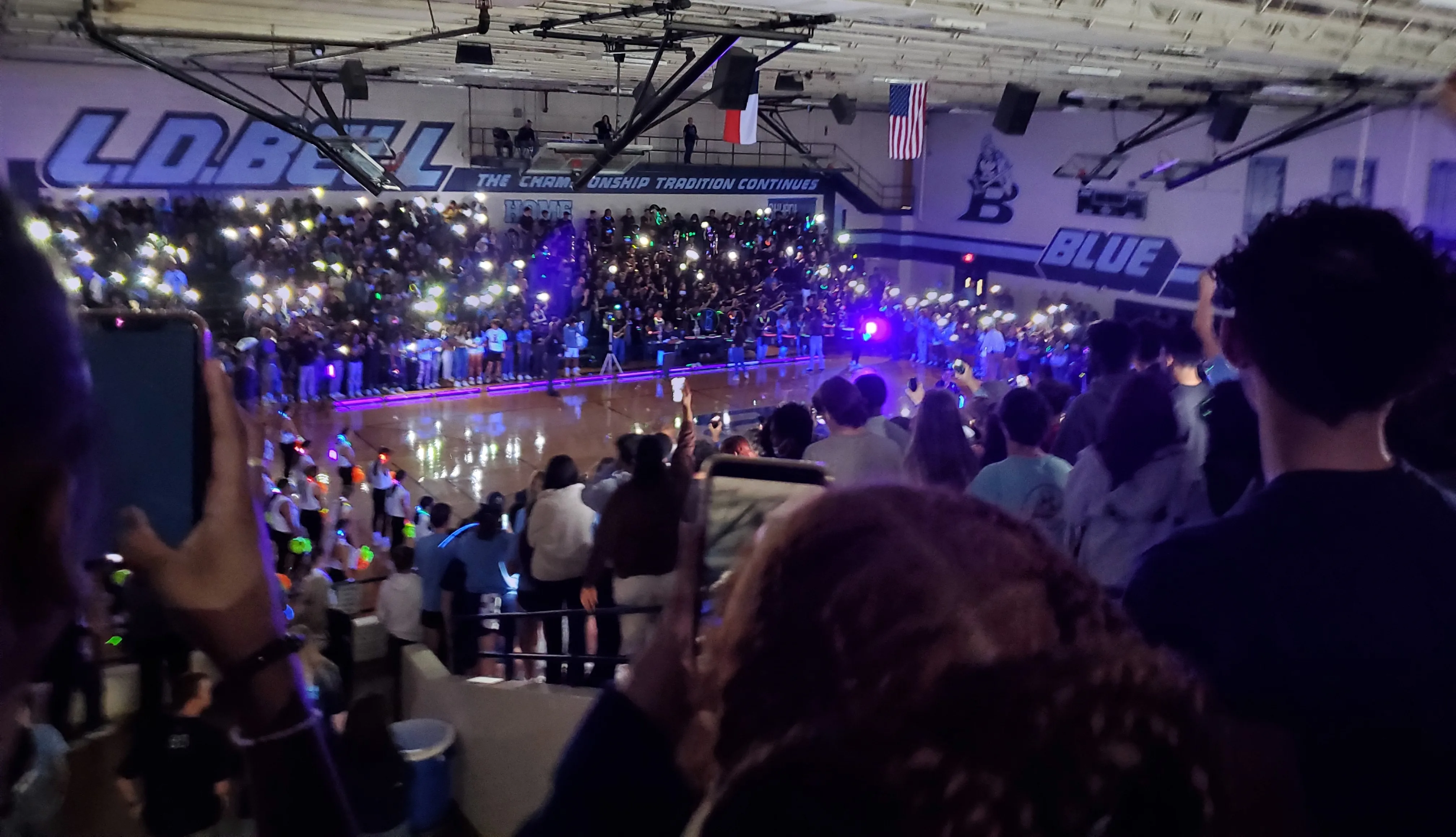
A packed high school gym at a pep rally, students holding up phone lights

Get started

Something at your school worth fixing?