
Volunteer role
Student Ambassadors Program
Doorstop Education helps students fix their own schools, from curriculum, phone policy, and school lunch to culture and mental health. We do it with free online resources and in-person support programs. Ambassadors bring both to their school.
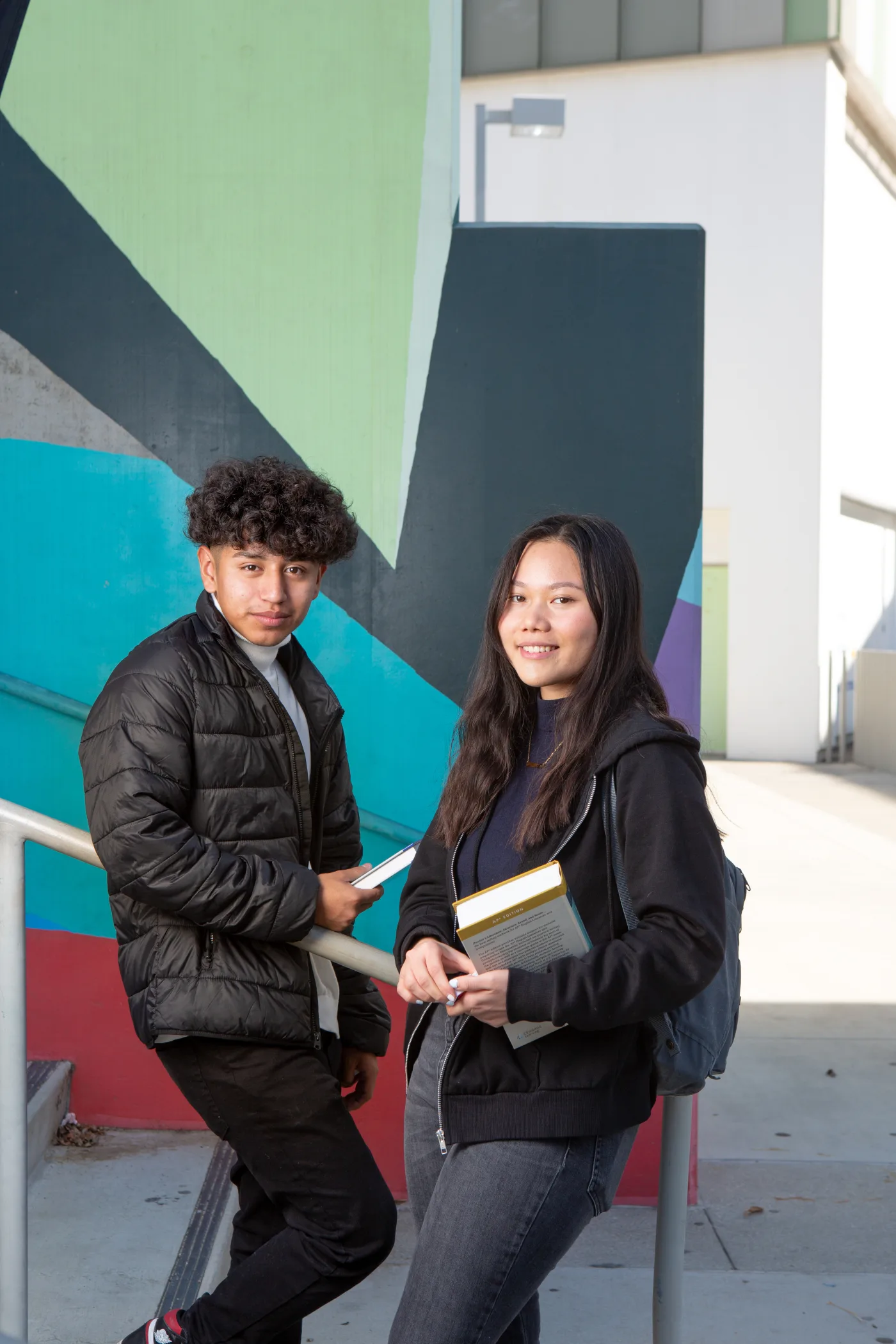
About the program
Every school has a list of things that are quietly wrong, and every student can recite it. What almost no student has is a way to do something about it. That is what a Doorstop is. A free, research-based guide that walks you through fixing one specific problem, step by step.
Ambassadors are volunteers who get those guides to the students who need them and help us reach their school in person. It is an incredible opportunity that we keep deliberately light, because you have homework.
What you do
Three things over one to four months.
Get Doorstops to your classmates
You pick the method. Posters, a link in a class group chat, a table at lunch, or handing the right Doorstop to the one friend who needs it. You know your school. We don’t.
Goal: Reach 50 to 100 students online, and have 5 to 10 sign up for our in-person program.
Help bring a Session to your school
Help set up one Doorstop Session with a club, an after-school program, a civics class, or student government. We give you the email templates, the materials, and the guidelines, and our staff joins every conversation with an adult.
Goal: one Session organized, big or small.
Tell us what is breaking
One 30 minute call a month. What is broken at your school, what students are talking about, and which Doorstop would have helped but doesn’t exist yet. This helps us decide what to build next.
Goal: one call a month.
What you learn
What Ambassadors walk away with.
Practical leadership, communication, and organizing skills.
How your school actually works, including the power dynamics between school boards, teachers unions, administrators, and advocacy groups.
How to plan and run a real event, from asking an adult for a room to getting people to show up.
More confidence asking for things, for yourself and for other people.
A project that created visible change at your school, which you can point to on an application or in an interview.
How we support Ambassadors
You should never be doing this alone.
A signed letter of recommendation
Written by the staff member who worked with you, about what you actually did. Not a form letter.
Connections into the Doorstop network
Introductions to internships and leadership opportunities in education, civics, and nonprofit work through our partners.
Public credit on our website
Your name on this site as part of the program. Fully optional.
A budget for your event
$25 to $100 for pizza, posters, printing, and anything else your event needs.
You also get email templates for every ask we make of you, materials for your event, a one-page handout that makes us look legitimate to an adult, and Doorstop staff you can ask for help any time.
How to apply
Email ben@fix.school with your school, your grade, and one thing about it you would change. That is the whole application.
Applications are rolling. There is no cohort to wait for, and you get your first task in your acceptance email.
FAQ
For students, parents, and guardians.
Who can apply?
Any student at any U.S. public or charter high school, in any grade. There is no GPA cutoff, no essay, and only one quick interview.
How much time does it take?
A few hours a month, plus one 30 minute call. The role is built around the fact that a high school is busy. If your month disappears, tell us and we will pick it back up.
How long does it last?
One month to one semester. Ambassadors in good standing can extend for as long as they are in high school.
Is this paid?
No. Ambassadors is a volunteer role. Our separate Doorstop Fellows program will become a paid program in December 2026.
Does this count for community service hours?
Almost always, but the rules are set school by school, not by us. Ask your school or your National Honor Society adviser for any rules or guidelines first. We will give you our nonprofit detail and countersign an hours log.
Can it count toward the State Seal of Civic Engagement?
In many California districts, yes. The Seal goes to students who identify a real problem, research it, talk to decision makers, and reflect on what happened, which is what this role is. Only your district can award it, and not every district offers it. We can help you apply!
Who will my child be talking to?
Named Doorstop Education staff and volunteers, not anonymous accounts. We record meeting transcripts for accountability and have a dedicated trust & safety liason who students and families can report concerns to.
Will my child be asked to fundraise or handle money?
Never. Ambassadors do not fundraise, solicit donations, sell anything, or collect money. Event costs are reimbursed by us, and we can pay the costs directly if easier.
What data do you keep?
Name, school, grade, email, meeting transcripts (optional), and a guardian contact. We do not sell or share it. Public credit on our site happens only if the student opts in, and we remove it on request.
Can my child stop?
Any time. We would rather a student leave when they are unhappy than stay on a roster feeling uncomfortable.
Reporting a concern. Rhea Prem is our Trust and Safety liaison. Students, parents, and school staff can reach her at report@fix.school about anything that felt wrong. You do not need to be sure, and you do not need to give your name.